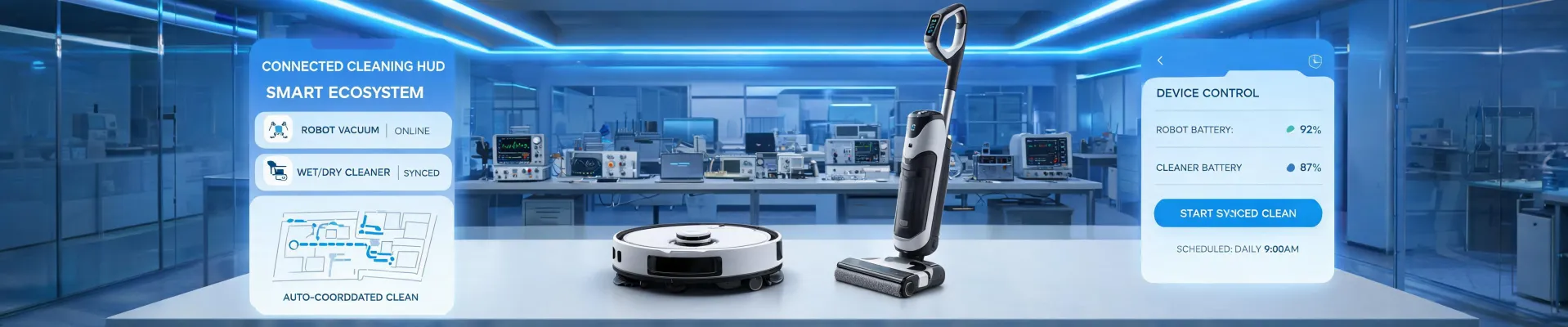
I manage maintenance for 12 residential rental units. Between tenants, I have a 48-hour window to turn a unit around. When I ordered the Tineco S10 ZT wet-dry vacuum, I thought I'd found my shortcut — one machine for hardwood, area rugs, pet hair, spilled coffee, everything. No regular vacuum first, no mop second.
By month three, I wanted it in the dumpster.
The suction had dropped noticeably. The battery died before I finished a single unit. And there was a smell — that sour, musty scent of something alive in the machine. I started composing a one-star tineco s10 zt review in my head. I even had a competing brand's flagship sitting in my cart at $500.
Then I read the manual. Actually — let me be straight — I read the manual at month six. Didn't touch it before that. Not a brag. It's the entire point of this article.
What I Got Wrong: Three Assumptions That Almost Cost Me $500
The Tineco S10 ZT is not a regular vacuum that happens to spray water. It's a different category of machine. The habits I'd built over 15 years of using dry vacuums were actively sabotaging it, and I didn't realize until the machine was nearly dead.
Assumption #1: "Self-Cleaning Means No Maintenance"
The S10 ZT has a self-cleaning mode for the roller brush, and it genuinely works. What it doesn't do is clean the internal debris path, the filter housing, or the tank vents. Those need a manual rinse every 4–6 uses.
I didn't know those access points existed. When I finally opened them — after watching a teardown video out of pure frustration — I found a gray sludge of dust, hair, and dried detergent caked on the filter mesh. A restricted filter means lower airflow. Lower airflow means the motor runs hotter. And heat is the #1 killer of lithium-ion cells. That's why my battery was dying. I did that.
Assumption #2: "Max Suction Is Always Better"
I ran the machine at max power constantly. Why not? It's a floor cleaner, not a fuel-efficient sedan.
But max mode on a wet-dry vacuum forces debris through the internal channels at high speed and draws maximum current. Do that every time and you're adding unnecessary heat stress to the battery. The manual recommends auto mode for daily cleaning — it adjusts suction based on the dirt load. I dismissed that as marketing fluff. It wasn't.
Assumption #3: "A Damp Roller Is Fine Until Tomorrow"
Oh, the smell. I'd empty the water tank and give it a rinse, but I left the roller installed, wet, inside the machine. That's a perfect incubator for bacteria. The odor wasn't a design flaw. It was me actively farming microbes in a beautiful enclosure.
The roller detaches and is meant to dry on the little stand. I thought that was a gimmick. It was an instruction.
What My Ignorance Actually Cost
Here are the real numbers, not the fluff:
- New battery: $109.99 (heat stress from the clogged filter)
- Filter assembly: $36.00
- Roller brush: $45.00 (I also washed it with fabric softener once — don't do that, it coats the fibers and kills absorption)
- Total: $191.00 in parts that were entirely preventable
That's the direct cost. The indirect cost was worse: I spent a night reading tineco s10 zt review threads, watching the one-star complaints pile up. Here's the uncomfortable part — most of the angry owners described exactly what I'd done. Same neglected filter. Same damp roller. Same max-mode habit.
Basically, the common denominator wasn't the machine. It was us.
(Side note: not all S10 ZT criticism is unfair. Battery range is genuinely average for this class. But a solid chunk of the "this thing sucks" reviews are maintenance failures wearing different clothes.)
The Same Pattern Followed Me Into the Kitchen
Once I sorted out the vacuum, I started noticing the same "replace instead of fix" reflex everywhere in my property work.
A tenant reported a leak in our KitchenAid K400 blender jar replacement — I looked it up: $115–130 for the jar. Half the price of the blender. I was about to order it when a tenant who'd worked in commercial kitchens — I'm not too proud to learn from tenants — said the leak was at the drive socket o-ring, not the crack. A $3 o-ring and 10 minutes later, it held perfectly.
Another building has an original 1920s ceiling fan with light in the living room. It flickered and ran slow. My first thought: rewire or replace. I priced a modern replacement at $350 plus an electrician's visit. A vintage-home forum said the pull-chain switch is the first thing to check. A $12 switch and 20 minutes of work later, the fan runs like it's 1926. I felt genuinely stupid.
And just before Christmas, an oven in one unit stopped heating. Controls worked. Fan turned. No heat. I started pricing new ranges — $650 at the cheapest. Then, because I'm not an electrician and I know my limits, I called a repair guy. He said the bake element is the first suspect when the symptom is "oven turns on but won't heat." I looked up how to replace heating element in oven, bought a universal element for $48, and had it installed in under an hour. That's a $602 saving.
The Real Problem Behind the Problems
Honestly, the deeper issue isn't any single appliance. It's that we've been trained to replace before we diagnose.
People assume a $500 vacuum should run forever with zero maintenance. They assume a $300 blender is dead if a seal leaks. They assume a vintage fan is a liability waiting to burn down a building. None of those are true.
From the outside, my Tineco looked defective. The reality was a maintenance failure — mine. Replacing things feels productive. It's actually lazy, and I mean that about myself, not just the industry. Being efficient isn't about having better tools. It's about fewer wasted motions and fewer wasted purchases.
Over six years of managing properties, I've now documented $2,400+ in blown budget from buying new instead of fixing. Every single time, the most expensive option was the first one I reached for.
The Short Checklist That Fixed It
Here's what I run through before any appliance gets replaced now:
- Diagnose first, shop second. Search the symptom, not the product. "How to replace heating element in oven" will save you more money than "best new oven" ever will.
- Read the maintenance section, not just the quick-start page. The Tineco maintenance guide on tineco.com (checked January 2025) explicitly covers filter rinsing, channel clearing, and roller drying. It was all there. I just never looked.
- Apply the 50% rule. If the repair part costs less than half of replacement and the machine is under 5 years old, fix it.
- Respect the machine's design. The S10 ZT isn't a no-maintenance miracle. The Tineco Litevak cordless stick vacuum follows the same philosophy — solid machine, but it needs proper care to stay solid. (I don't own the Litevak, so I won't pretend to review it. But the maintenance habits I described apply to any wet-dry or cordless machine.)
The most expensive assumptions are the ones we never check.
If you've ever left a scathing tineco s10 zt review — or any appliance review — ask yourself one question before you hit post: did I read the maintenance section?
Trust me on this one. I've got the $191 receipt.

Greta Lindholm
Greta Lindholm is a household refrigeration analyst covering French-door, side-by-side, top- and bottom-mount refrigerators, mini fridges, beverage coolers, chest freezers, and upright freezers. She applies IEC 62552 and IEC 60335-2-24 while comparing energy consumption, usable volume, pull-down time, compartment temperature stability, freezing capacity, noise, door-seal leakage, refrigerant charge, and ambient-temperature performance. Her guides help importers, distributors, private-label teams, and appliance engineers select platforms around climate class, storage mix, efficiency labels, cabinet dimensions, service access, shipping density, and warranty exposure.