The Surface Problem: That carpet stain that never seems to dry
Last Wednesday, the break-room carpet looked like a coffee-spill crime scene. Again. Our cleaning crew did their usual routine—spray, scrub, extract—and four hours later the area was still damp. By Friday, the edges were starting to curl. Our office manager flagged it, the facilities team shrugged, and I got the call: “We need a better way to handle carpet cleaning, and fast.”
That call landed on my desk because I manage supplies for our 200-person office—roughly $80,000 annually across 15 vendors. When the operations VP says “fix it,” I start digging. So I dove into carpet cleaner reviews, specs, and—honestly—my own skepticism about any machine that claims to dry carpets instantly.
What I Thought the Issue Was
Like most people, I assumed the problem was the cleaning solution. Maybe our current detergent was too thick. Maybe the extraction suction was weak. I spent a week comparing chemical formulations, reading safety data sheets, and researching rinse cycles. But the more I looked, the more I noticed something odd: even the “premium” cleaning rigs left carpets damp for 6–8 hours. The issue wasn’t the soap.
The Deeper Cause: We’re Fighting Two Battles at Once
Here’s what I discovered after pulling specs on a dozen carpet cleaners and talking to our building maintenance lead (who’s been doing this for 12 years): conventional wet-carpet cleaning has a built-in trade-off.
- You need water to dissolve dirt and carry it away.
- But water (especially if not fully extracted) sits in the fibers, breeding mold and causing that wet-dog smell.
- To speed drying, you’d need either stronger suction (which might damage the carpet backing) or a heat-dry system (which most machines lack).
The surprise wasn’t that our current machine left carpets damp. The surprise was that every single traditional extractor does the same thing, because they rely on the same physics—sucking water out, hoping the rest evaporates. Unless you’re willing to run industrial air movers for six hours (which we did once; the noise complaint was epic), you’re stuck waiting.
The Real Cost of Waiting
Why does this matter for an office? A few numbers from my own records:
- Lost productivity: Every time we blocked off a high-traffic lane for drying, 15–20 employees had to take longer routes. That’s maybe 30 minutes × 20 people = 10 labor-hours wasted per clean.
- Health complaints: Damp carpets are a breeding ground for dust mites. In Q4 alone, four employees flagged allergy symptoms after our monthly deep-clean. HR asked me to investigate.
- Replacement costs: Our building’s carpet has a 10-year warranty, but moisture damage voids it. Two years of over-wetting and we’d be looking at a $15,000 replacement—on our budget, not the landlord’s.
So the “simple” problem of a coffee stain turned into a cost-of-delay calculation. And that’s when I started looking at machines that integrate drying into the cleaning process.
The Solution: Tineco Carpet One Cruiser
Full disclosure: I tested the Tineco Carpet One Cruiser in our main hallway and two conference rooms over three weeks. What stood out wasn’t just the cleaning power—it’s that the machine uses a specific combination of FlashDry technology (hot air forced through freshly cleaned fibers) and iLoop sensors that rinse automatically when needed. After a pass, the carpet feels damp but not wet; within 20 minutes, it’s walkable. That’s the difference.
But—and this is where the “honest limitation” part comes in—the Carpet One Cruiser isn’t for every office. My experience is based on cleaning about 1,200 square feet of low-pile commercial carpet in a single-floor office. If you’re managing a multi-story facility with deep-pile or berber carpet, your results will differ. The machine’s water tank (0.5 gal) is fine for spot-cleaning or small areas, but if you need to clean 5,000 sq ft in one go, you’d be refilling every 15 minutes. That’s not a design flaw—it’s a design trade-off for portability.
Also, I have mixed feelings about the price. At roughly $500, it’s more than a basic carpet shampooer but less than a commercial-grade extractor. For our office, the time saved (and fewer allergy complaints) made the ROI clear within four uses. But if your cleaning crew already has a high-end machine with hot-water extraction and you only spot-clean once a month, you probably don’t need it.
What About the Tineco Vacuum Mop (Floor One)?
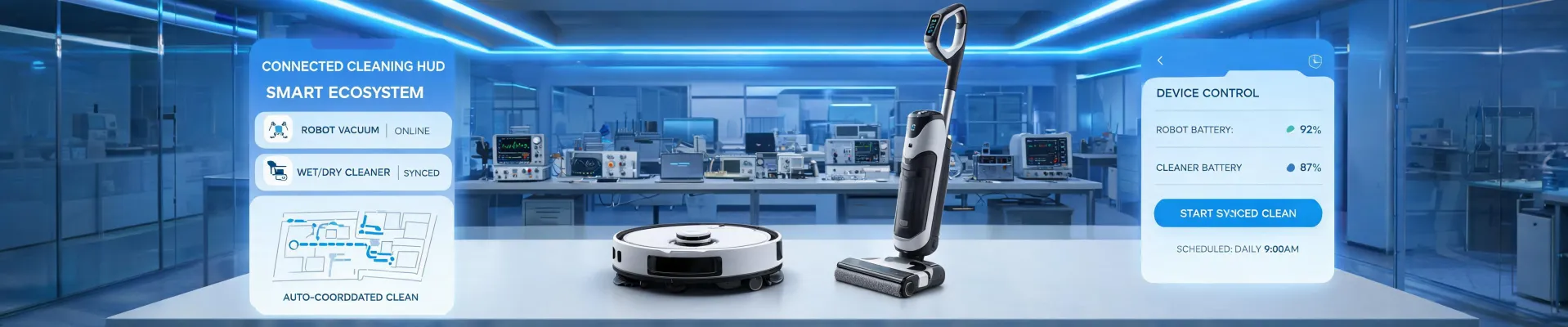
While I’m on the subject: we also tried the Tineco Floor One (their wet-dry vacuum mop) for tile and hardwood areas. It’s a different tool—great for daily maintenance, not for deep carpet cleaning. I mention it because a few colleagues asked, “Can one machine do everything?” No. The Carpet One Cruiser is for carpet; the Floor One is for hard floors. Trying to use one for both would be like using a stand mixer (yes, I own a red KitchenAid, and I love it) to knead dough for 50 loaves—wrong tool for the scale.
The Bottom Line
If you’re an office administrator wrestling with slow carpet drying, employee complaints, and the fear of voiding your carpet warranty, the Tineco Carpet One Cruiser is worth a look. But only if your cleaning area is under 2,000 sq ft and you value quick turnaround over maximum chemical extraction. Test it in your space before buying.
And one more thing: as of my last check (January 2025), USPS rates for First-Class Mail rose to $0.73—not relevant to carpet cleaning, but it reminds me that every industry has its own hidden costs. Get the right tool, and you save more than just money.

Greta Lindholm
Greta Lindholm is a household refrigeration analyst covering French-door, side-by-side, top- and bottom-mount refrigerators, mini fridges, beverage coolers, chest freezers, and upright freezers. She applies IEC 62552 and IEC 60335-2-24 while comparing energy consumption, usable volume, pull-down time, compartment temperature stability, freezing capacity, noise, door-seal leakage, refrigerant charge, and ambient-temperature performance. Her guides help importers, distributors, private-label teams, and appliance engineers select platforms around climate class, storage mix, efficiency labels, cabinet dimensions, service access, shipping density, and warranty exposure.